
At FASE, we believe that social entrepreneurship is one of the strongest drivers of systemic change. Impact ventures create jobs, shift local markets and build long-term economic resilience. Impacc takes this principle into the field of philanthropy – by transforming donations into long-term, revolving capital for African founders.
This model opens up a financing pathway where traditional aid and commercial capital rarely meet. And it is the reason why we are glad to support Impacc in mobilising more philanthropic capital for high-impact ventures across Africa – especially now, during the turn of the year, when many people consider where their giving can have the greatest long-term effect.
To shed light on how this funding architecture works in practice — and what it means for the founders Impacc supports — we spoke with Impacc founder Till Wahnbaeck.
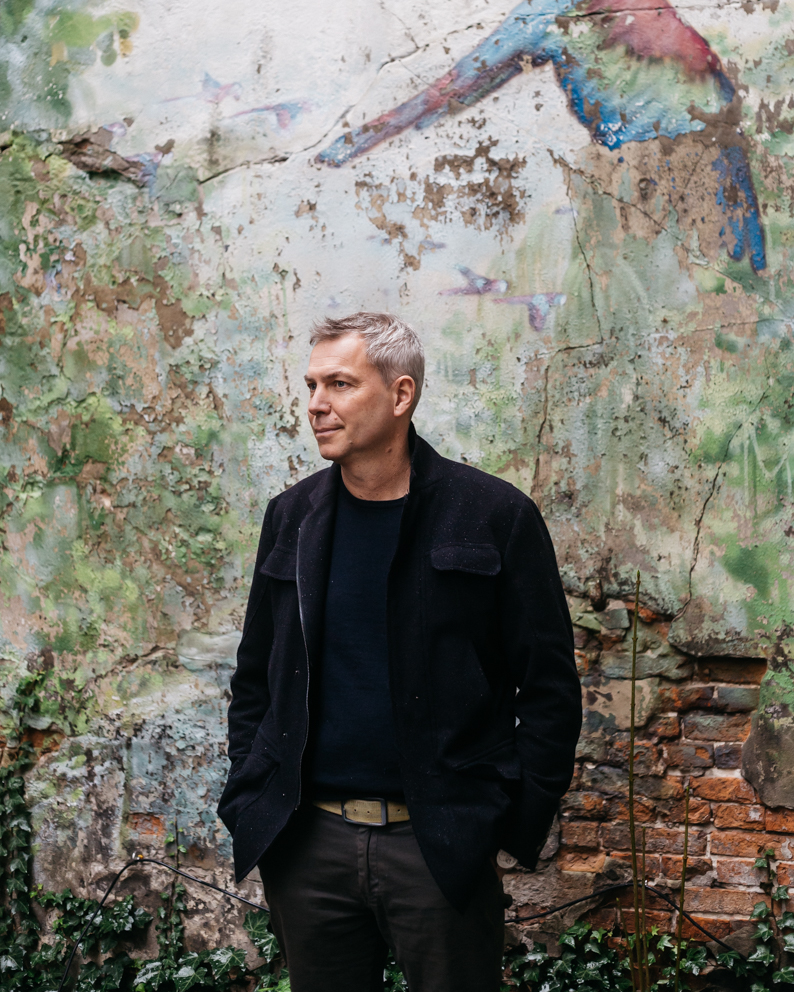
Impacc uses donations as long-term growth capital for African start-ups – an unusual combination. What gap did you want to close when you built this model?
When we founded Impacc in 2020, we saw a gap that both traditional aid and commercial capital were not addressing: early growth funding for African founders with proven products and strong local demand. Many of these entrepreneurs know exactly what their communities need, but they lack access to the kind of capital that allows them to hire, scale and build stable operations. Donations, if structured well, can fill this gap. We channel donations directly into local start-ups led by local founders.
As our ventures grow and succeed, they generate returns that stay inside Impacc and are reinvested. This evergreen logic means one donation can support multiple generations of businesses. It is a way of using philanthropy to build long-term economic opportunity, not just short project cycles.
Only 2% of global investment capital reaches Africa
More than 700 million people still live on less than $2 per day. At the same time, Africa is one of the world’s most vibrant and fastest-growing markets, with a dynamic entrepreneurial landscape and many market-ready solutions. Yet early-stage capital remains scarce: only 2% of global investment reaches the continent.
Traditional development programmes meet important needs but are often tied to project cycles. Meanwhile, African start-ups are frequently perceived as too risky for conventional investors. As a result, companies with proven products and strong local demand often lack the capital to grow.
Your portfolio includes founders turning plastic waste into paving stones, old uniforms into backpacks, or building bakery machines in former war zones. If you had to pick one story that captures what Impacc stands for – whose story would you tell?
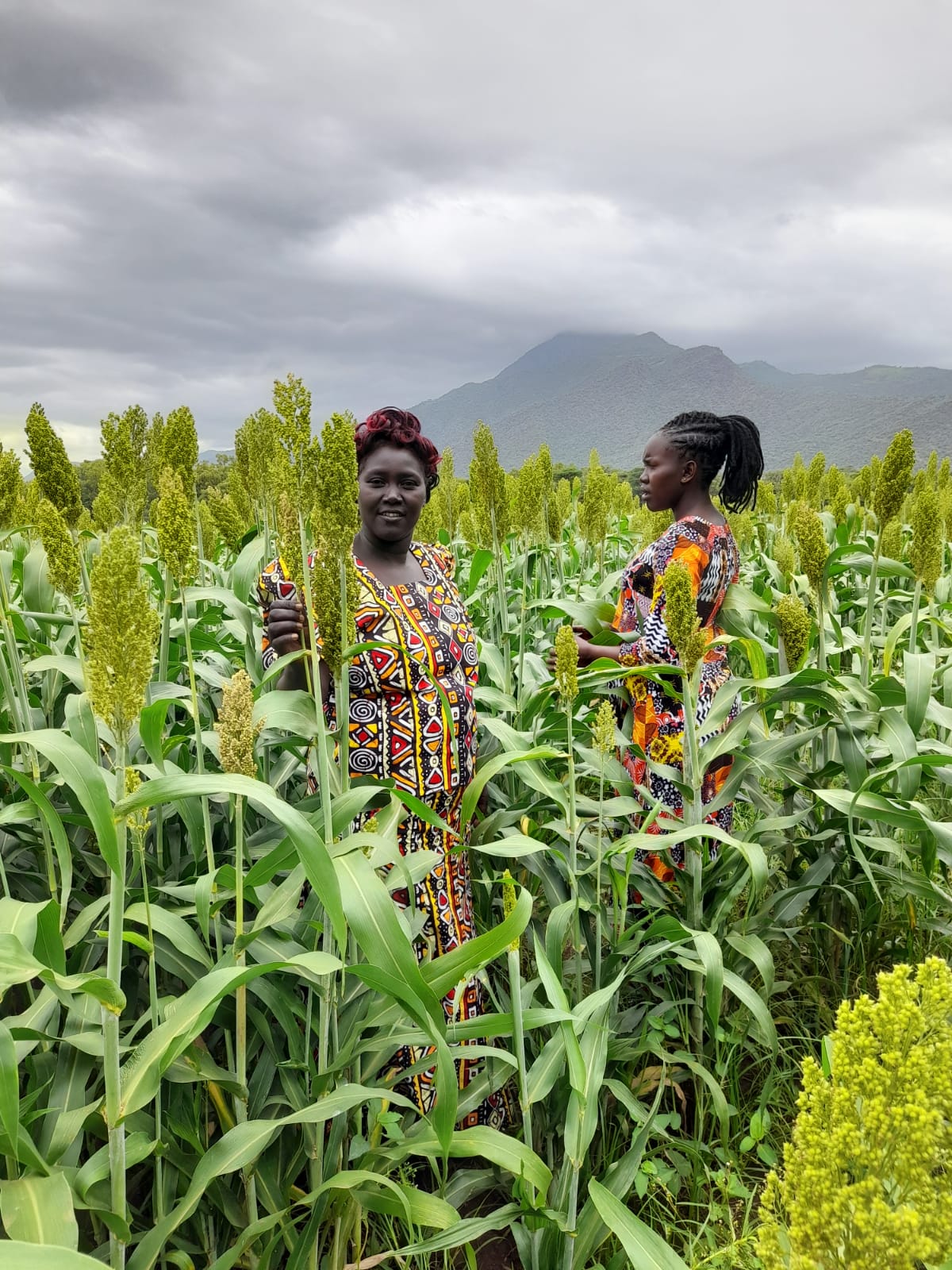
There are so many to choose from, but I would tell the story of Eric Bosire. He’s the son of a sugarcane farmer, whose dad couldn’t afford his school fees when the rains didn’t come and the harvest was bad. And it was getting worse with time because climate change made rainfall ever more unpredictable. So Eric founded Irrihub, a company that combines rainwater catchment basins with solar-powered drip irrigation. With our investment, they could expand operations across Kenya. Their product has helped thousands of smallholder farmers irrigate more than 3 million square meters of land and double their yields.
Stories like this are not exceptions in our portfolio. Across 14 ventures in four countries, we’ve seen entrepreneurs turn plastic waste into durable building materials or build biodigested toilets in slums. These are companies that create real jobs — more than 2,200 so far, 44% held by women — and they build economic resilience in places where it’s most needed.